Personnel statistics
Employees in total
|
2025 |
2024 |
2023 |
2022 |
2021 |
| Number of employees at the end of the accounting period (labour units) |
140 |
136 |
126 |
121 |
116 |
| Average number of employees during the accounting period (labour units) |
138 |
131 |
123 |
119 |
116 |
| Valid employment contracts on 31 December |
145 |
142 |
132 |
128 |
124 |
| Valid permanent employment contracts on 31 December |
144 |
140 |
131 |
127 |
123 |
| Valid fixed-term employment contracts on 31 December |
1 |
2 |
1 |
1 |
1 |
| Full-time fixed-term employment contracts on 31 December |
1 |
2 |
1 |
1 |
1 |
| Part-time fixed-term employment contracts on 31 December |
0 |
0 |
0 |
0 |
0 |
| Full-time employment contracts (fixed-term and permanent) on 31 December |
144 |
141 |
131 |
127 |
123 |
| On maternity/child care leave on average |
5 |
6 |
4 |
8 |
6 |
| Permanent employment contracts on 31 December, % |
99.3 |
98.6 |
99.2 |
99.2 |
99.2 |
| Fixed-term employment contracts on 31 December, % |
0.7 |
1.4 |
0.8 |
0.8 |
0.8 |
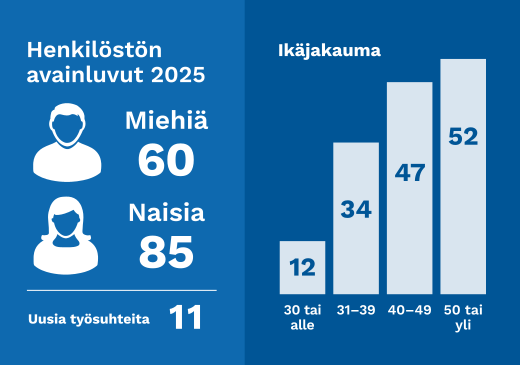
Gender distribution
|
2025 |
2024 |
2023 |
2022 |
2021 |
| Male |
60 |
60 |
55 |
56 |
51 |
| Female |
85 |
82 |
77 |
72 |
73 |
Average length of employment
| Working years |
2025 |
2024 |
2023 |
2022 |
2021 |
| 40 or more |
3 |
3 |
3 |
3 |
3 |
| 30–39 |
0 |
0 |
0 |
0 |
0 |
| 20–29 |
11 |
7 |
3 |
0 |
0 |
| 10–19 |
30 |
29 |
32 |
38 |
31 |
| 4–9 |
51 |
50 |
46 |
45 |
43 |
| 1–3 |
40 |
41 |
32 |
27 |
35 |
| less than a year |
10 |
12 |
16 |
15 |
12 |
| Employees in total |
145 |
142 |
132 |
128 |
124 |
Employees by age
Personnel turnover
|
2025 |
2024 |
2023 |
2022 |
2021 |
| New employment contracts |
11 |
14 |
18 |
17 |
12 |
| of which fixed-term |
1 |
2 |
1 |
1 |
1 |
| Terminated employment contracts |
8 |
4 |
13 |
12 |
7 |
| of which due to retirement |
0 |
1 |
0 |
2 |
1 |
| Terminated fixed-term employment contracts |
0 |
0 |
0 |
0 |
1 |
| Employment contracts terminated during the trial period |
0 |
1 |
1 |
2 |
0 |
| Number of resigned employees |
8 |
2 |
12 |
8 |
5 |
| Number of dismissed employees |
0 |
0 |
0 |
0 |
0 |
| Average turnover, % |
6.6 |
6.3 |
11.7 |
11.3 |
7.7 |
| Exit turnover, % |
5.5 |
2.8 |
9.8 |
9.4 |
5.6 |
| Exit turnover, resigned employees, % |
5.5 |
1.4 |
9.1 |
6.3 |
4.0 |
New employees
| Male |
Female |
30 years of age or less |
31-39 years |
40-49 years |
50-59 years |
over 60 years |
| 27.3% |
72.7% |
27.3% |
18.2% |
45.5% |
9.1% |
0.0% |
Sick leave and accidents
|
2025 |
2024 |
2023 |
2022 |
2021 |
| Number of accidents that led to absence during the year |
1 |
1 |
2 |
0 |
7 |
| Number of accidents at work/during commute during the year |
1 |
2 |
1 |
0 |
2 |
| Fatalities |
0 |
0 |
0 |
0 |
0 |
| Sick leave, incl. caring for a sick child (days per labour unit) |
4.9 |
5.0 |
5.2 |
4.8 |
3.6 |
| Sick leave, excl. caring for a sick child (days per labour unit) |
4.7 |
4.7 |
4.9 |
4.5 |
3.3 |
| Short-term sick leave (1–3 days), excl. caring for a sick child (days per labour unit) |
2.8 |
2.4 |
3.4 |
3.1 |
1.4 |
| Sick leave total, excl. caring for a sick child (labour units) |
2.7 |
2.6 |
2.6 |
2.3 |
1.6 |
| Sick leave percentage, incl. caring for a sick child |
2.1 |
2.1 |
2.2 |
2.1 |
1.5 |
| Sick leave percentage, excl. caring for a sick child |
2.0 |
2.0 |
2.1 |
1.9 |
1.4 |
| Personnel healthcare expenses, EUR per person per year |
1,093 |
646 |
602 |
526 |
391 |
| Personnel recreation expenses, EUR per person per year |
347 |
325 |
357 |
264 |
208 |
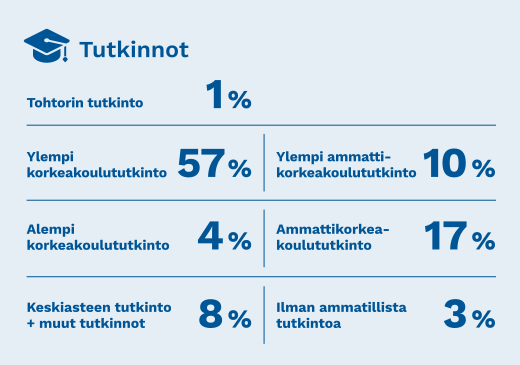
Degrees
|
2025 |
2024 |
2023 |
2022 |
2021 |
| Doctorate, % |
1 |
1 |
2 |
2 |
2 |
| Higher academic degree (university), % |
57 |
57 |
57 |
58 |
57 |
| Higher academic degree (university of applied sciences), % |
10 |
11 |
10 |
11 |
10 |
| Lower academic degree (university), % |
4 |
4 |
4 |
4 |
5 |
| Lower academic degree (university of applied sciences), % |
17 |
18 |
18 |
15 |
14 |
| Upper secondary degree and other degrees, % |
8 |
7 |
7 |
8 |
10 |
| No vocational qualification, % |
3 |
3 |
3 |
3 |
2 |
Training
|
2025 |
2024 |
2023 |
2022 |
2021 |
| Training, days per person per year |
3 |
3 |
2 |
3 |
4 |
| Training, days per person per year, supervisors |
3 |
4 |
1 |
3 |
5 |
| Training, days per person per year, others |
3 |
3 |
2 |
3 |
4 |
| Training, days per person per year, female |
2 |
3 |
2 |
3 |
4 |
| Training, days per person per year, male |
2 |
2 |
1 |
3 |
4 |
| Training services purchased from third parties, EUR per person per year |
743 |
814 |
476 |
969 |
671 |
Paid performance bonuses (excl. social insurance contributions)
|
2025 |
2024 |
2023 |
2022 |
2021 |
| EUR thousand |
810 |
1,234 |
913 |
905 |
812 |
Most of the personnel statistics data comes from the company’s HR system, while some comes from the accounting system. Workload calculation (FTE) is carried out in Hansel’s financial unit.
Print